What Are Golden Proportions?
Updated: Dec 21, 2025
For centuries, artists, architects, and scientists have tried to understand why certain shapes, faces, and designs naturally look more beautiful to the human eye. Through years of research, they discovered that many of the things we find most pleasing share a similar mathematical relationship known today as the golden proportion. This proportion—approximately 1.618 to 1—appears repeatedly in nature, the human body, and classical art.
Golden Proportions in Nature and Art
The golden proportion was first studied in ancient Greece and later used intentionally during the Renaissance. Artists and architects noticed that when objects followed this ratio, they felt balanced and harmonious rather than forced or chaotic.
Examples include:
The proportions of the human face and body
Spiral patterns found in shells, flowers, and leaves
Classical sculptures and famous works of art
Architectural landmarks designed to feel visually balanced
Because this ratio appears so often in nature, the human brain tends to recognize it as familiar and pleasing.
Why the Human Eye Finds Golden Proportions Attractive
Our brains are wired to look for patterns and balance. When something follows golden proportions, it feels organized, calm, and natural—without us consciously realizing why.
Golden proportions help:
Create visual balance
Avoid extremes that feel too large or too small
Guide the eye smoothly from one feature to the next
This is why faces, smiles, and designs that follow these proportions often feel attractive even if we cannot explain what makes them so.
How This Applies to Smile Design at VanSmileDesign
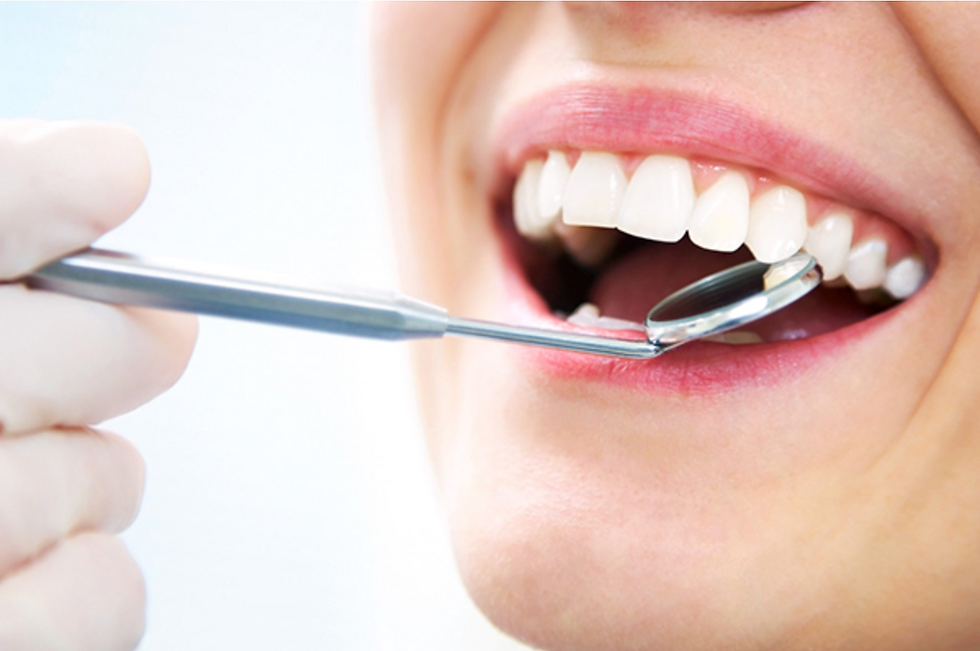
As cosmetic dentistry evolved, golden proportions became a helpful way to understand why certain smiles appear naturally balanced. In smile design, these proportions guide how the front teeth relate to one another so the smile feels harmonious with the face.
At VanSmileDesign - Dentistry of Vienna, Dr. Van blends these principles into her work through both clinical precision and artistic vision. Rather than following a formula, she uses golden proportions as a reference while shaping each smile by hand—considering tooth contours, light reflection, and how the smile moves in real life.
Dr. Van’s background in cosmetic dentistry allows her to subtly adjust shape, width, and symmetry so the smile appears natural and function is effortless. This artful approach ensures that the golden proportions enhance the smile without ever overpowering the patient’s unique features.
The result is a smile that looks balanced, confident, and authentic—one that fits the face, the personality, and the way the patient naturally smiles and speaks.